



























































Cameras
Top Tips for CCTV Installation in Dubai: Secure Your Space
Jan
Why CCTV Installation Is Essential in Dubai
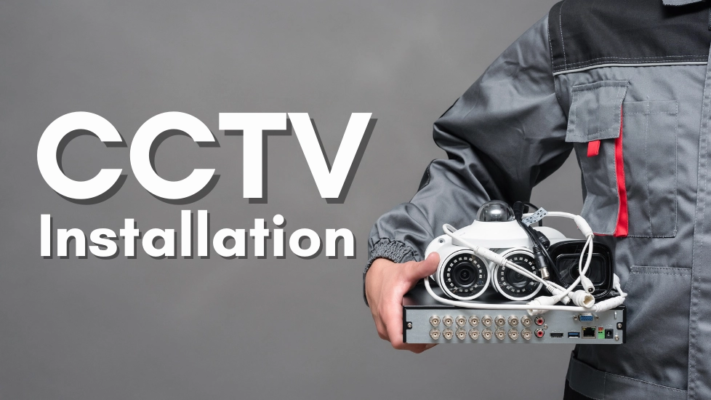
Dubai, a city known for its modern architecture and vibrant lifestyle, is also a bustling metropolis with its own set of security challenges. The rapid urbanization and influx of people necessitate robust security measures to ensure the safety of residents and businesses. CCTV installation has emerged as a vital component in the quest for enhanced security, providing a watchful eye over public and private spaces alike. The presence of CCTV cameras acts as a deterrent to potential criminals, reducing the likelihood of theft, vandalism, and other nefarious activities.
The strategic placement of CCTV cameras in high-risk areas ensures that any suspicious activity is quickly identified and addressed. This not only helps in preventing crimes but also aids law enforcement agencies in their investigations. The footage captured by these cameras can be invaluable in providing evidence during legal proceedings, making it easier to bring perpetrators to justice. In a city as dynamic as Dubai, where the pace of life is fast and the stakes are high, having a reliable CCTV system can make a significant difference in maintaining order and security.
Moreover, the importance of CCTV installation extends beyond crime prevention. It also plays a crucial role in monitoring and managing large crowds during public events, ensuring the safety of attendees. In commercial settings, CCTV systems help in overseeing daily operations, enhancing employee productivity, and ensuring compliance with safety protocols. For residential properties, they offer peace of mind to homeowners, knowing that their loved ones and belongings are protected. In essence, CCTV installation is not just a security measure but an indispensable tool for maintaining the overall safety and well-being of Dubai’s inhabitants.
How to Choose the Right CCTV System for Your Property
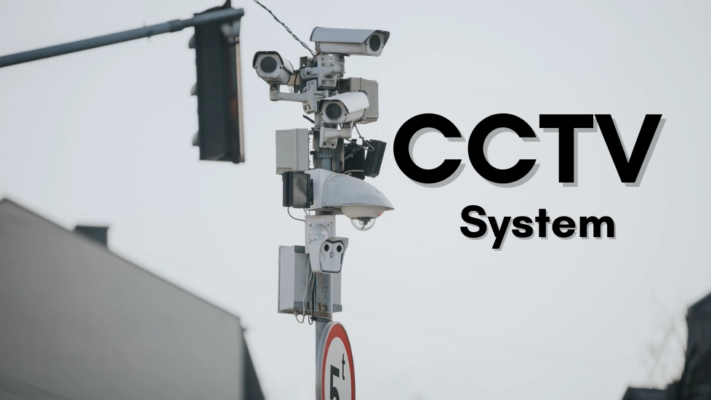
Selecting the appropriate CCTV system for your property is a critical decision that requires careful consideration of several factors. Firstly, it is essential to assess the specific security needs of your property. This involves identifying vulnerable areas that require monitoring and determining the level of coverage needed. For instance, a large commercial establishment may require a more sophisticated system with multiple cameras and advanced features, while a smaller residential property might suffice with a simpler setup.
Another important aspect to consider is the type of cameras to be installed. There are various options available, including dome cameras, bullet cameras, and PTZ (Pan-Tilt-Zoom) cameras, each with its own set of advantages. Dome cameras are discreet and blend seamlessly into their surroundings, making them ideal for indoor use. Bullet cameras, on the other hand, are more visible and are often used for outdoor surveillance due to their long-range capabilities. PTZ cameras offer the flexibility of remote control, allowing operators to adjust the camera’s position and zoom in on specific areas of interest. Understanding the strengths and limitations of each type can help you make an informed decision.
In addition to the camera types, it is crucial to consider the recording and storage options. Modern CCTV systems offer various recording solutions, including digital video recorders (DVRs) and network video recorders (NVRs). DVRs are typically used with analog cameras, while NVRs are compatible with IP cameras. The choice between the two depends on your preference for either traditional or more advanced digital systems. Furthermore, storage capacity is a key factor, as it determines how long footage can be retained before being overwritten. Cloud storage options are also available, providing the convenience of remote access and enhanced data security. By carefully evaluating these factors, you can choose a CCTV system that best suits your property’s security requirements.
Key Factors to Consider Before Installing CCTV Cameras
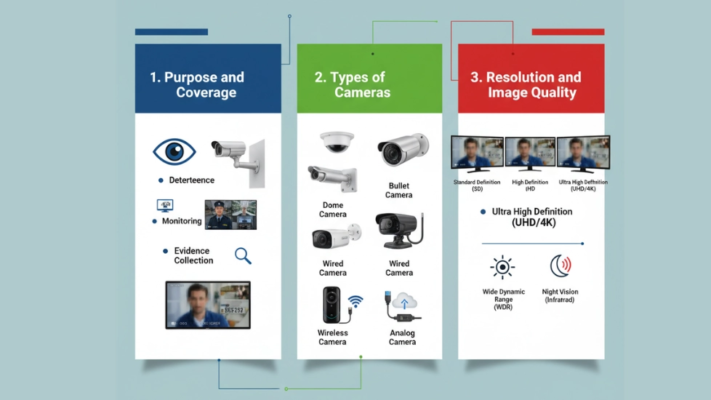
Before proceeding with the installation of CCTV cameras in Dubai, there are several key factors that need to be taken into account to ensure the effectiveness and efficiency of the system. One of the primary considerations is the placement of the cameras. Strategic positioning is crucial for maximizing coverage and minimizing blind spots. High-traffic areas, entry and exit points, and locations with valuable assets should be prioritized. Additionally, it is essential to consider the field of view and angle of the cameras to ensure comprehensive monitoring of the desired areas.
Another important factor is the resolution and image quality of the cameras. High-resolution cameras provide clearer and more detailed footage, which is essential for identifying individuals and objects. While higher resolution cameras may come at a higher cost, they offer significant advantages in terms of image clarity and the ability to zoom in on specific details without loss of quality. It is also worth considering cameras with night vision capabilities, especially for outdoor installations, to ensure round-the-clock surveillance.
Furthermore, it is important to take into account the legal and privacy considerations associated with CCTV installation. In Dubai, there are specific regulations governing the use of surveillance cameras, including restrictions on where they can be placed and requirements for notifying individuals that they are being recorded. Compliance with these regulations is essential to avoid legal repercussions and ensure that the privacy rights of individuals are respected. Additionally, it is advisable to consult with legal experts or local authorities to gain a clear understanding of the applicable laws and guidelines.
Best Places to Install CCTV Cameras for Maximum Coverage
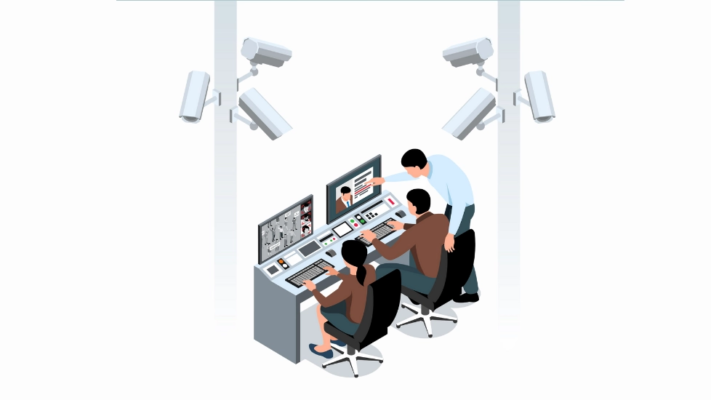
To achieve maximum coverage and effectiveness, it is important to strategically install CCTV cameras in key locations around your property. One of the most critical areas to monitor is the main entry and exit points. These are the primary access points for both residents and visitors, and monitoring them can help in identifying unauthorized entries and exits. Placing cameras at these locations ensures that you have a clear view of everyone entering and leaving the premises, which is essential for security and accountability.
Another important area to consider is the perimeter of the property. Installing cameras along the boundary walls or fences provides an added layer of security by monitoring any attempts to breach the perimeter. This is particularly important for larger properties or those located in isolated areas. Additionally, cameras should be placed in parking lots and garages, as these areas are often targeted by criminals. Monitoring these spaces can help in preventing vehicle theft and vandalism, as well as ensuring the safety of individuals using these facilities.
Indoor areas should also be given due consideration, especially high-traffic zones such as lobbies, hallways, and common areas. These locations are frequented by a large number of people, making them potential hotspots for security incidents. By placing cameras in these areas, you can monitor the movement of individuals and identify any suspicious behavior. For commercial properties, it is also advisable to install cameras in areas where valuable assets are stored, such as storage rooms, cash registers, and inventory areas. This helps in deterring theft and ensuring that valuable items are protected.
CCTV Installation Laws and Compliance Requirements
When it comes to installing CCTV cameras in Dubai, it is crucial to be aware of the legal and compliance requirements to avoid any potential legal issues. The Dubai Police and the Security Industry Regulatory Agency (SIRA) have established specific guidelines and regulations governing the use of surveillance cameras. These regulations are designed to ensure that the deployment of CCTV systems is done in a manner that respects the privacy rights of individuals while enhancing security.
One of the key requirements is obtaining the necessary permits and approvals before installing CCTV cameras. This involves submitting an application to the relevant authorities, along with detailed plans and specifications of the proposed installation. The application process may also include an inspection of the site to ensure compliance with the regulations. It is important to note that failure to obtain the required permits can result in fines and the removal of the installed cameras.
Additionally, there are specific guidelines regarding the placement and operation of CCTV cameras. Cameras must be positioned in a way that maximizes security while minimizing any intrusion into private areas. For example, cameras should not be installed in restrooms, changing rooms, or other areas where individuals have a reasonable expectation of privacy. Furthermore, it is mandatory to inform individuals that they are being recorded by posting clear signage in areas under surveillance. These signs should include information about the purpose of the surveillance and the contact details of the entity responsible for the cameras.
Hiring Professional CCTV Installation Services
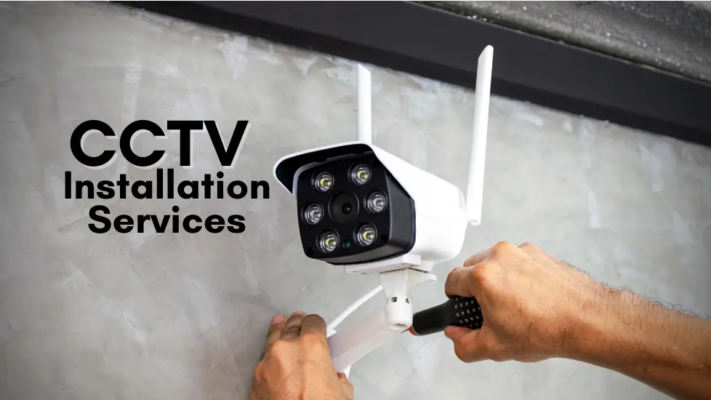
While it may be tempting to undertake the installation of CCTV cameras as a DIY project, there are significant advantages to hiring professional installation services. Professional installers have the expertise and experience to design and implement a comprehensive surveillance system tailored to your specific needs. They can conduct a thorough assessment of your property, identify vulnerable areas, and recommend the most suitable camera types and placement for optimal coverage.
One of the main benefits of hiring professionals is the assurance of a high-quality installation. Professionals use industry-standard equipment and follow best practices to ensure that the cameras are installed securely and function correctly. This includes proper mounting, wiring, and configuration of the cameras and recording devices. A professional installation also minimizes the risk of technical issues and ensures that the system operates smoothly from day one.
Moreover, professional installation services often come with additional benefits such as warranties and ongoing support. In the event of any issues or malfunctions, you can rely on the expertise of the installation company to provide prompt repairs and maintenance. This is particularly important for businesses and commercial properties where any downtime in the surveillance system can have serious security implications. By investing in professional installation services, you can ensure that your CCTV system is reliable, effective, and compliant with all relevant regulations.
DIY Installation: Pros and Cons
While hiring professional services for CCTV installation has its advantages, some property owners may prefer the DIY approach for various reasons. One of the primary benefits of DIY installation is cost savings. By purchasing the equipment and installing the cameras yourself, you can save on labor costs associated with professional services. Additionally, DIY installation allows you to have complete control over the process, from selecting the equipment to determining the placement of the cameras.
However, DIY installation also comes with its own set of challenges and limitations. One of the main drawbacks is the lack of expertise and technical knowledge. Installing a CCTV system requires a certain level of proficiency in handling electrical components, configuring recording devices, and troubleshooting any issues that may arise. Without the necessary skills and experience, there is a risk of improper installation, which can compromise the effectiveness of the surveillance system.
Another potential downside of DIY installation is the time and effort required. Setting up a comprehensive CCTV system can be a time-consuming process, especially for larger properties with multiple cameras. This includes tasks such as running cables, mounting cameras, and configuring the recording devices. Additionally, any mistakes made during the installation process may require additional time and effort to rectify. For property owners with busy schedules or limited technical expertise, these challenges may outweigh the cost savings associated with DIY installation.
CCTV Maintenance Tips for Long-Term Performance
To ensure the long-term performance and reliability of your CCTV system, regular maintenance is essential. One of the key aspects of maintenance is keeping the cameras and lenses clean and free from obstructions. Dust, dirt, and debris can accumulate on the camera lenses over time, affecting the clarity of the footage. Regularly cleaning the lenses with a soft, dry cloth can help maintain image quality and ensure that the cameras capture clear and detailed footage.
Another important maintenance task is checking the camera mounts and wiring for any signs of wear and tear. Over time, the mounts and brackets that hold the cameras in place can become loose or damaged, affecting the stability and positioning of the cameras. Similarly, the wiring that connects the cameras to the recording devices can deteriorate, leading to connectivity issues or loss of power. Regularly inspecting and tightening the mounts, as well as replacing any damaged wiring, can help prevent these issues and ensure the continued operation of the system.
In addition to physical maintenance, it is also important to regularly check and update the software and firmware of the CCTV system. Manufacturers often release updates to improve the performance and security of their products. Installing these updates can help fix any bugs or vulnerabilities and ensure that the system operates smoothly. It is also advisable to periodically review the recorded footage to ensure that the cameras are capturing the desired areas and that the system is functioning as intended. By following these maintenance tips, you can extend the lifespan of your CCTV system and ensure its continued effectiveness in safeguarding your property.
Integrating CCTV Cameras with Smart Home & Office Systems
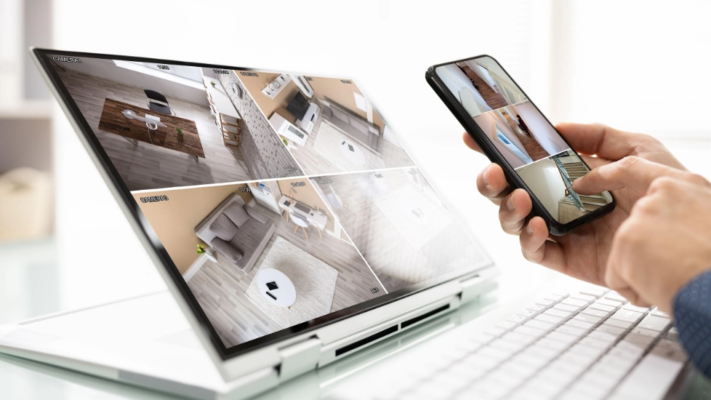
The advent of smart technology has revolutionized the way we manage and secure our homes and offices. Integrating CCTV cameras with smart home and office systems offers numerous benefits, enhancing both security and convenience. One of the key advantages of this integration is the ability to remotely monitor and control the CCTV system using a smartphone, tablet, or computer. This allows property owners to keep an eye on their premises from anywhere in the world, providing peace of mind and enabling prompt responses to any security incidents.
Smart integration also enables advanced features such as motion detection and real-time alerts. Modern CCTV systems can be configured to trigger alerts and notifications when movement is detected in specific areas. These alerts can be sent directly to your mobile device, allowing you to take immediate action if necessary. Additionally, smart integration allows for seamless connectivity with other smart devices, such as door locks, alarms, and lighting systems. For example, if the CCTV system detects an intruder, it can automatically trigger the alarm system and turn on the lights to deter the intruder and alert the property owner.
Furthermore, integrating CCTV cameras with smart home and office systems can enhance the overall efficiency and functionality of the property. For instance, smart cameras with facial recognition capabilities can be used to grant access to authorized individuals while denying entry to unauthorized persons. This can be particularly useful in commercial settings, where access control is a critical aspect of security. Additionally, the data collected by the CCTV system can be analyzed to gain insights into patterns and trends, such as peak traffic times and areas of frequent activity. This information can be used to optimize operations and improve resource allocation. Overall, the integration of CCTV cameras with smart technology offers a comprehensive and intelligent approach to security and property management.
Conclusion: CCTV Installation in Dubai
In conclusion, CCTV installation in Dubai is an essential measure for enhancing security and safeguarding both residential and commercial properties. The rapid growth and urbanization of the city have brought about unique security challenges that necessitate the use of advanced surveillance systems. By carefully selecting the right CCTV system, considering key factors such as camera placement and legal compliance, and opting for professional installation services, property owners can ensure the effectiveness and reliability of their surveillance systems.
While DIY installation may offer cost savings, it also comes with challenges that may compromise the quality and performance of the system. Regular maintenance is crucial for the long-term performance of CCTV cameras, ensuring that they continue to capture clear and detailed footage. Integrating CCTV cameras with smart home and office systems further enhances security and convenience, providing remote monitoring, real-time alerts, and advanced features such as motion detection and facial recognition.
By following the tips and guidelines outlined in this article, property owners in Dubai can make informed decisions about CCTV installation and create a secure and protected environment for their families, employees, and assets. Whether you are looking to prevent crime, monitor daily operations, or manage large crowds during events, a well-designed and properly installed CCTV system is an invaluable tool in achieving your security goals.